
Arthroscopy of the knee joint
Minimally Invasive Knee Surgery: Get back to your active life without pain or stitches
Do not wait until a minor injury turns into chronic arthrosis. We carry out high-precision treatment of meniscal and ligament injuries through two 5 mm micropunctures. Thanks to the use of HD video systems and micro-instruments, we restore joint function with jewel-like precision. Returning home is possible already on the day of the operation, and full activity – in the shortest possible time
Problem: When the knee becomes an obstacle to movementin
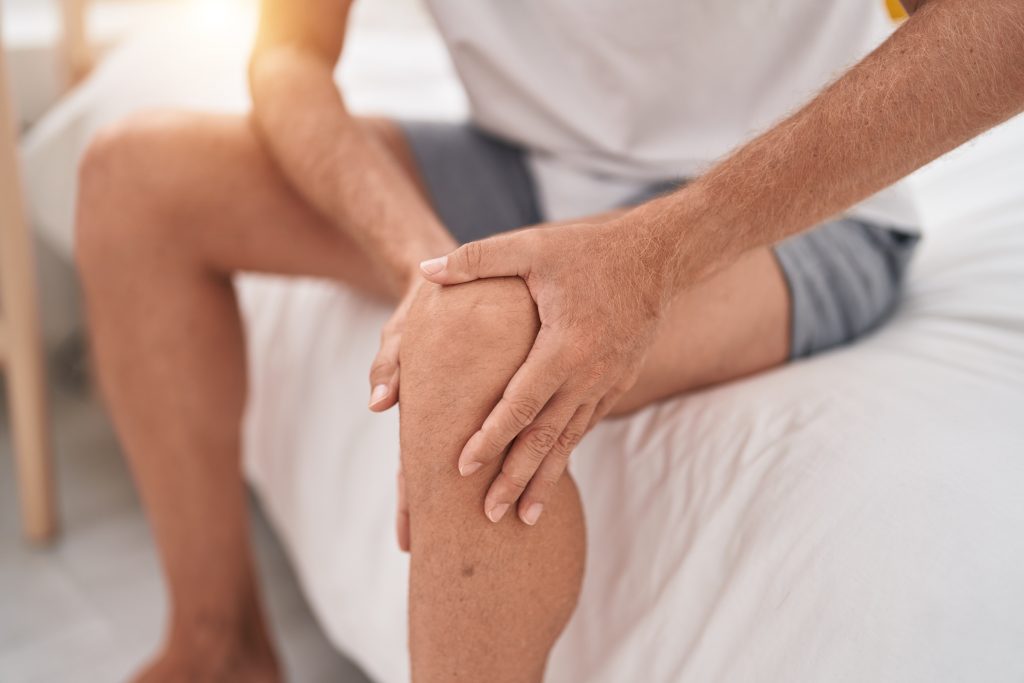
Knee injuries are insidious: what today seems like a mild discomfort, tomorrow can cause irreversible destruction of the cartilage.
- Rupture of the meniscus: You feel a sudden “crunch”, pain when turning, or a jam when the leg cannot be fully extended. This is the result of a mechanical block that gradually wears away the articular surfaces like sandpaper.
- Ligament injuries and instability: A feeling that the knee “buckles” or “flies out” when walking. Without stabilization of the ligamentous apparatus, the joint wears out several times faster.
- Free bodies (“Articulated mice”): Pieces of detached cartilage floating freely in the joint, causing sudden attacks of sharp pain and movement blockages
“If you notice at least 2-3 symptoms from the list, your joint needs immediate diagnosis to avoid complete loss of mobility”
Technologies: Surgery of the future in your hands
We have abandoned large incisions in favor of technologies that provide maximum visualization.
- 4K Ultra HD optics: A camera with a diameter of only 4 mm transmits the image to the monitor with 20 times magnification. This allows surgeons to see the smallest cracks in the cartilage, which are not always visible even on an MRI.
- Organ storage systems: We use innovative fixators for the meniscus suture. Instead of removing the shock absorber of the joint, we sew it together, preserving the natural biomechanics.
- Cold plasma ablation: Technology that allows delicate “grinding” of damaged cartilage without thermal burns of tissues, which significantly accelerates recovery
About the Doctor: Philosophy of functional recovery
My approach is based on the principle of minimal traumatization. Arthroscopy is not just an operation, it is an opportunity to look inside the joint without damaging its protective structures. We don’t just eliminate the effects of an injury, we create conditions for your joint to serve you for another decade. For athletes, this means a quick return to records, for older people – a life without fear before every step
Preparation: The way to a successful result
Preparation for arthroscopy is simplified as much as possible so that you do not waste extra time:
- MRI diagnostics: It is a “map” for the surgeon that allows you to plan each movement of the instrument in advance.
- Express examination: A standard package of tests (blood, coagulogram, ECG), which can be completed in one visit to the clinic.
- Anesthesiologist consultation: We select the safest type of anesthesia (usually light medicated sleep or spinal anesthesia) so that you do not feel discomfort either during or after the procedure.
Operation: Process honed down to the last detail
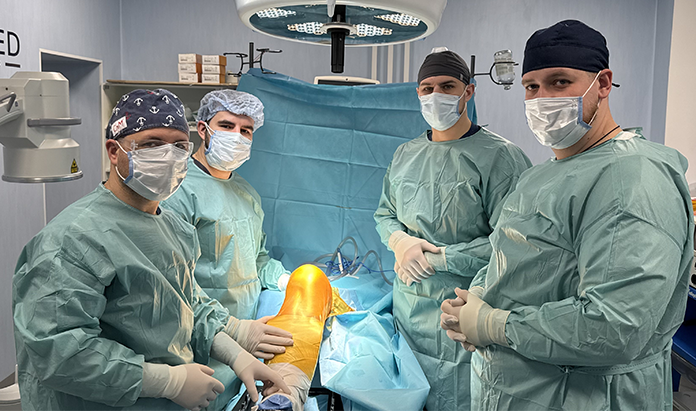
The intervention lasts from 30 to 60 minutes and consists of the following stages:
- Diagnostic review: An arthroscope is inserted through the first puncture. The doctor conducts a full revision of all parts of the knee, confirming or clarifying the MRI diagnosis.
- Therapeutic manipulation: Through the second puncture, micro-instruments are introduced. The surgeon removes the damaged fragments, sews the meniscus or performs ligament plastic surgery.
- Rehabilitation of the joint: Removal of residual inflammatory products and washing of the joint with a sterile solution.
- Completion: Single cosmetic stitches or special plasters are placed on punctures. Scars after such an operation become almost invisible over time.
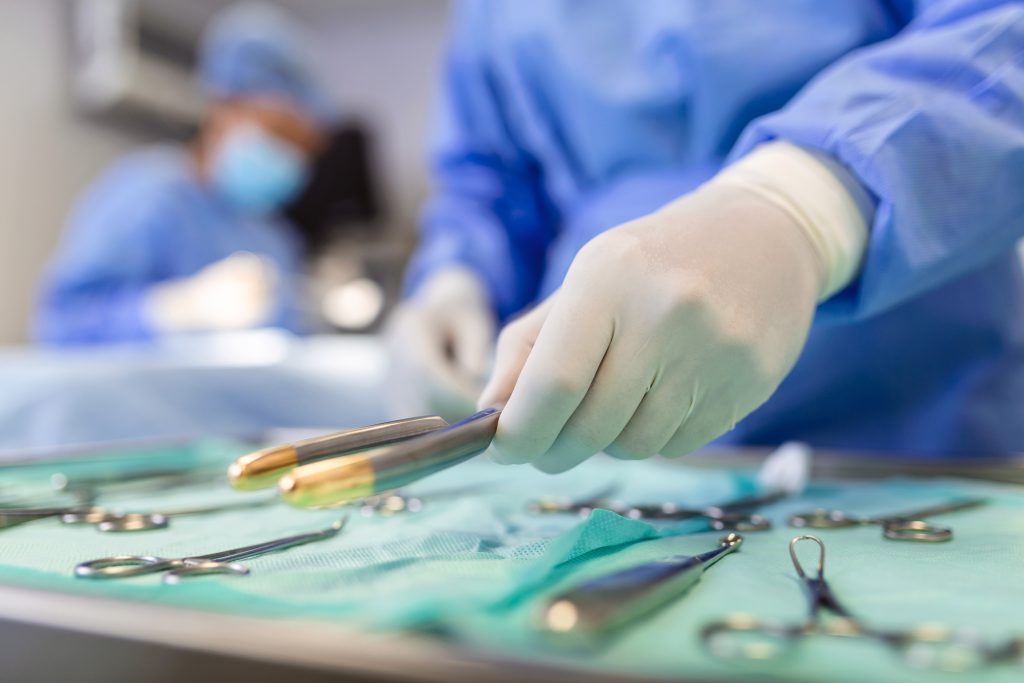
Rehabilitation: fast recovery according to the Fast Track protocol
My goal is to get you back to an active, pain-free life as soon as possible. Thanks to modern minimally invasive techniques and the Fast Track protocol, the recovery process begins immediately after waking up:
- Early mobility: With most meniscal operations, I allow you to step on your foot after a few hours. I personally check your stability before discharge.
- Individual support: After plasty of ligaments or complex interventions, I develop a personal schedule of loads, teach the correct use of orthoses and monitor each stage of transplant implantation.
- Comprehensive recovery program: You receive a clear exercise plan to restore muscle tone and a course of modern physiotherapy (magnetic and cryotherapy) to relieve swelling.
I accompany you from the operating table to the first workout or a confident walk, guaranteeing control of the condition of the joint until reaching 100% of the result.