Hand surgery
Jeweller’s precision to restore hand function
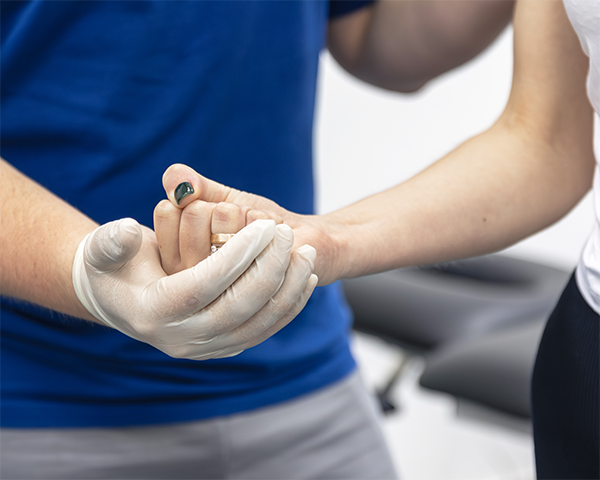
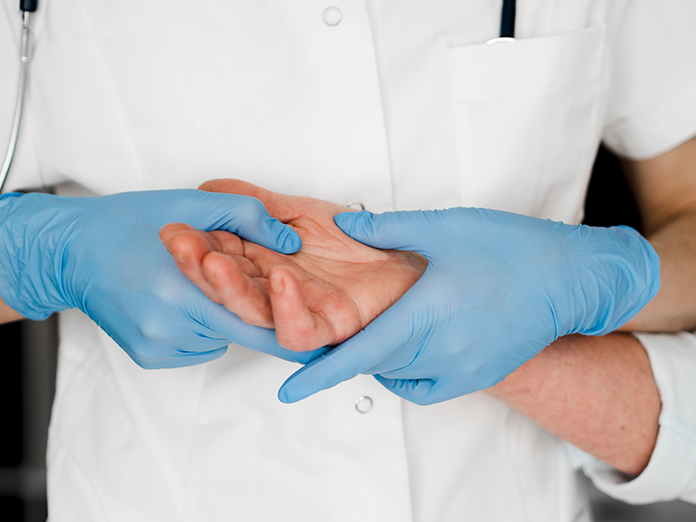
Your hands are your main tool for work, creativity and communication. I specialize in microsurgical treatment of diseases and injuries of the hand, using modern minimally invasive techniques. From numbing fingers to repairing torn tendons, my goal is to get you back to full range of motion and pain relief without gross scarring.
Problem: When the hand loses its dexterity
Diseases of the hand often develop gradually, but without intervention lead to irreversible loss of working capacity.
- Carpal tunnel syndrome: Numbness of the fingers, “shooting”, night pain and weakness in the palm, which prevents even holding the phone.
- Dupuytren’s contracture: Gradual bending of the fingers to the palm without the ability to unbend them.
- Stenotic ligamentitis (“Clicking finger”): Locking of the finger in a bent position, accompanied by painful stinging.
- Hygromas and tumors: Neoplasms that limit movement and create aesthetic discomfort.
- Injuries of tendons and nerves: Loss of sensation or mobility of fingers after cuts or blows.
“If you notice at least 2-3 symptoms from the list, your joint needs immediate diagnosis to avoid complete loss of mobility”

Technologies: Microsurgery under magnification
To work with a brush, I use tools and optics that allow me to see the smallest details.
- Precision optics: The use of surgical magnifiers and a microscope for perfect suturing of nerves and vessels.
- Microtools: Special clamps and needles thinner than a human hair, which minimizes tissue injury.
- Modern fasteners: The use of mini-plates and screws for phalangeal fractures, which allows you not to apply a cast and start movements immediately.
About the Doctor: My philosophy of preserving function
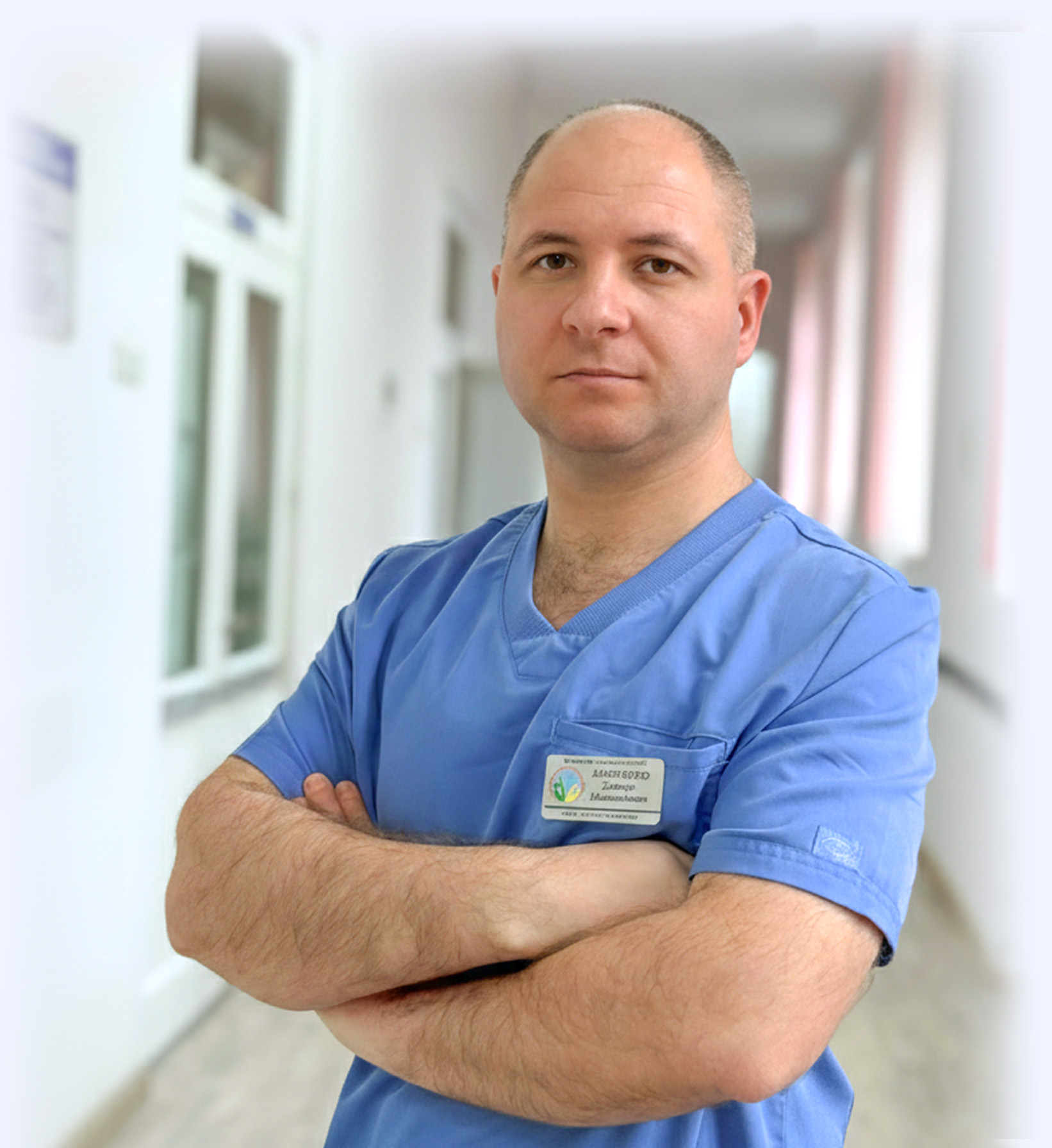
The brush is a unique mechanism where a huge number of vital structures are concentrated on every millimeter. My approach is functional surgery. I try to perform the intervention through micro-incisions in the natural folds of the skin. This allows not only to remove the pathology, but also to make the scar of the operation almost invisible, while maintaining the full strength of your grip
Preparation: Accurate diagnosis of sensations
- Electroneuromyography (EMG): Checking the passage of impulses along the nerves to confirm the diagnosis (important for tunnel syndromes).
- Ultrasound of joints and soft tissues: Assessment of tendon condition and detection of hidden neoplasms.
- Functional tests: Preoperative assessment of grip strength and fine motor skills to create a recovery plan.
Operation: Fine work (20-60 minutes)
Most hand operations are performed in the “one day surgery” mode:
- Local or regional anesthesia: You do not feel pain, but you can communicate with the doctor. We often ask the patient to move their fingers directly during the operation to ensure a perfect result.
- Microaccess: The work is carried out through cuts of several millimeters.
- Absence of blood loss: The use of special harnesses to ensure a “dry” operating field, which guarantees high accuracy.
Rehabilitation: My support for the recovery of fine motor skills
I guide you until you can button up or write with a pen without pain again.
- My early move plan: With many pathologies (for example, canal syndrome), the development begins already an hour after the operation. I personally supervise the first exercises.
- Occupational therapy under my supervision: I am developing a set of exercises for you to restore sensitivity and coordination. We use special simulators for fine motor skills.
- Individual schedule: I accompany you until the full recovery of muscle strength, adjusting the load at each stage of healing.