Arthroscopy of the shoulder joint
Restore shoulder strength and stability: Arthroscopy without large incisions
Forget about night pain and limitations in hand movements. We specialize in high-tech treatment of the shoulder joint through micropunctures. From repairing torn tendons to treating common sprains, we restore range of motion even in the most difficult cases. Quick recovery, minimum discomfort and return to favorite activities.
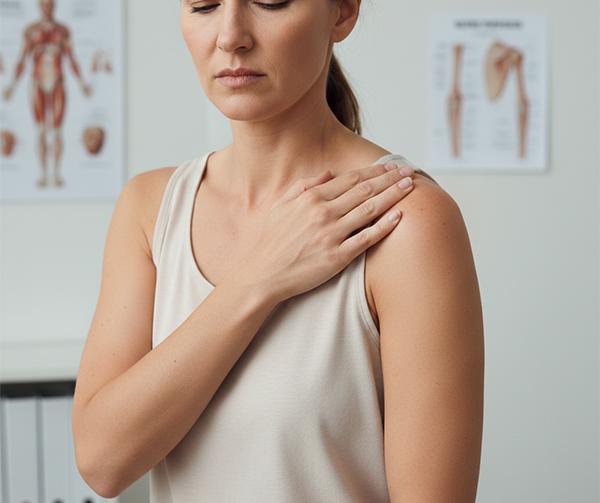
Problem: When the shoulder limits your freedom
The shoulder joint is the most complex in terms of biomechanics. Even a small amount of damage can make the arm almost immobile.
- Common dislocation (instability): The shoulder “flies out” at the slightest load or even in sleep. It becomes a constant source of fear and pain.
- Damage to the rotator cuff: Pain when trying to raise the arm above the shoulder, weakness, inability to put the arm behind the back or wash the head.
- Impingement syndrome and calcinosis: Constant “clamping” of tissues leading to chronic inflammation and debilitating night pain.
“If you notice at least 2-3 symptoms from the list, your joint needs immediate diagnosis to avoid complete loss of mobility”
Technologies: Microsurgery for big results
We use instruments designed specifically for the limited space of the shoulder joint.
- Anchor fasteners: We use self-absorbing anchors to attach torn ligaments. They hold the tissue securely until it grows to the bone naturally.
- Specialized pumps: Maintaining constant pressure in the joint ensures ideal visibility and stops microbleeds during surgery.
- HD endoscopy: The ability to see the joint from the inside from different angles, which is impossible with traditional open operations.
About the Doctor: Philosophy of accuracy
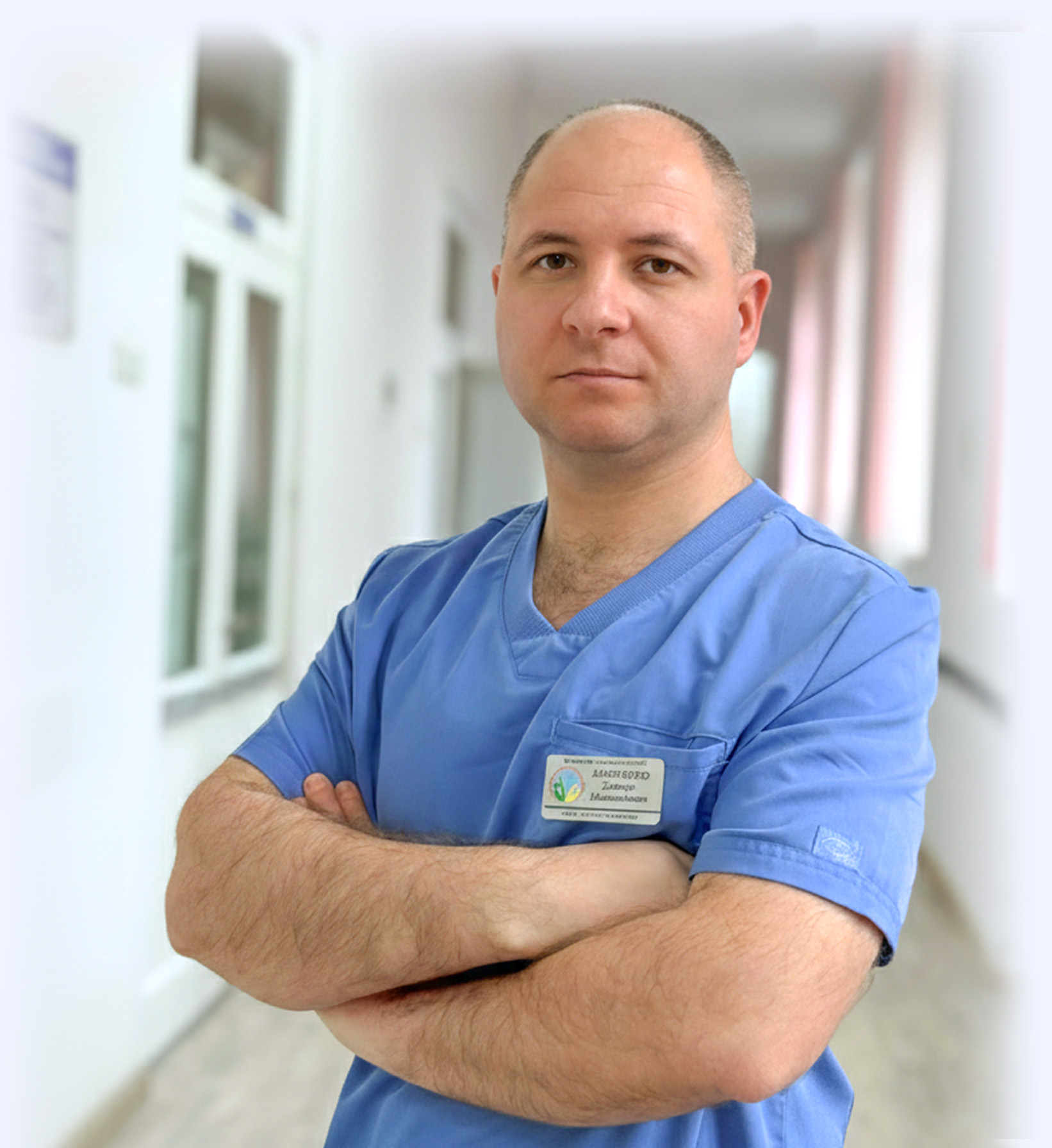
The shoulder does not forgive rough intervention. My task is like a watchmaker, to adjust the complex mechanism of the interaction of muscles and bones. Arthroscopy allows us to restore stability without damaging the deltoid muscle, which is the prime mover of the arm. This is the key to being able to throw a ball, swim, or just feel the strength in your hands again
Preparation: A precise map of your recovery
- MRI or CT arthrography: We study in detail the condition of the lip of the joint and the tendons so that every minute in the operating room is used as efficiently as possible.
- Laboratory screening: Assessment of the general state of health to ensure complete safety of anesthesia.
- Preoperative marking: Joint discussion with the doctor of the scope of the intervention and the expected results.
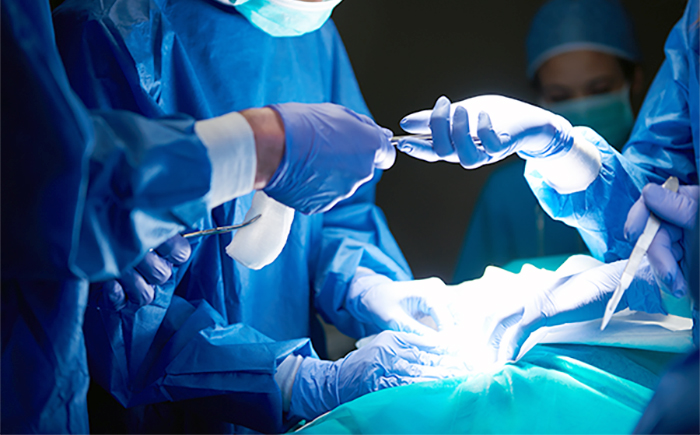
Operation: Jewelry work (60-90 min)
- Positioning: The patient is in the “beach chair” position, which provides the surgeon with access to all areas of the shoulder.
- Portals: After 3-4 micropunctures, paths are created for the camera and instruments.
- Reconstruction: Fixation of the rotator cuff, stabilization of the joint with the help of anchors or removal of bone growths.
- Total control: The surgeon checks the strength of the fixation in real time by moving the patient’s arm.
Rehabilitation: Return of functionality
Rehabilitation after shoulder surgery requires patience and professional supervision:
- Immobilization: Use of a special bandage (orthosis) for 3-6 weeks for safe fusion of tissues.
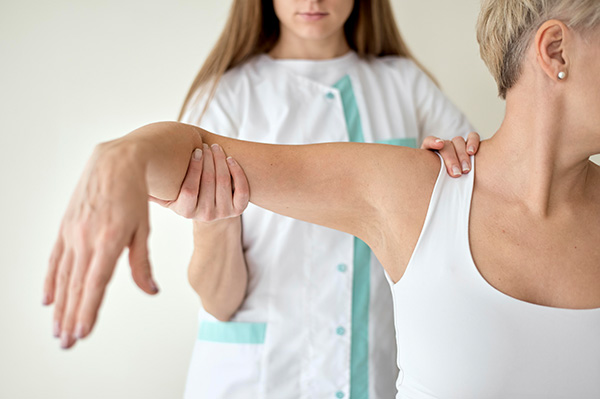
- Passive movements: Under the supervision of a rehabilitator, you begin to develop the hand from the first days to avoid adhesions.
- Gradual strengthening: Transition to active exercises and recovery of muscle strength according to an individual schedule.
Rehabilitation: Restoring shoulder strength and stability under my supervision
- Rest control: The shoulder needs delicacy at the start. I will personally select the correct orthosis (sling) for you and teach you how to rest and sleep safely in the first weeks to ensure the perfect fusion of the tissues we have repaired.
- Step-by-step movement protocol: I will draw up a schedule for you to transition from passive movements to active exercises. I personally monitor that the range of motion is restored gradually — without pain and the risk of damaging the installed anchors. This ensures that the shoulder remains stable and strong.
- Accompanying the doctor to complete confidence: I remain your mentor for the entire rehabilitation period. My goal is not just to relieve pain, but to restore your hand to its former strength and dexterity. I personally check your progress at each visit until you are able to exercise freely again or raise your arm without any restrictions.