Treatment of fractures without surgery
Methods of conservative treatment that we use
We have moved away from the outdated methods of heavy and inconvenient plastering. Today, comfortable and technological solutions are available to patients:
1. Closed repositioning of debris
If the fracture has a small displacement, the doctor performs manual bone repositioning under local or general anesthesia. This allows you to return the fragments to the correct position without incisions in the skin.
2. Modern immobilization (Synthetic “gypsum”)
Instead of ordinary plaster, we use polymer bandages (plastic plaster). Advantages: it is 4-5 times lighter, allows the skin to “breathe”, is not afraid of moisture (you can take a shower with it) and looks neat.
3. Orthotics and braces
For many types of fractures, instead of rigid fixation, we use removable orthoses. They allow you to adjust the degree of fixation and start early rehabilitation of the joints without waiting for complete fusion of the bone.
4. Medicinal support of fusion
Appointment of specific therapy to accelerate the regeneration of bone tissue (calcium preparations, vitamin complexes, correction of metabolism).

Advantages of non-surgical treatment
- Absence of risks of anesthesia and infections: Minimal intervention in the work of the body.
- Absence of scars and scars: The skin remains intact, which is important from an aesthetic point of view.
- Economy: Conservative treatment usually does not require expensive implants and a long stay in a hospital.
- Natural splicing: The bone grows independently, without foreign bodies (metal) in the body.
Stages of treatment under the supervision of a doctor
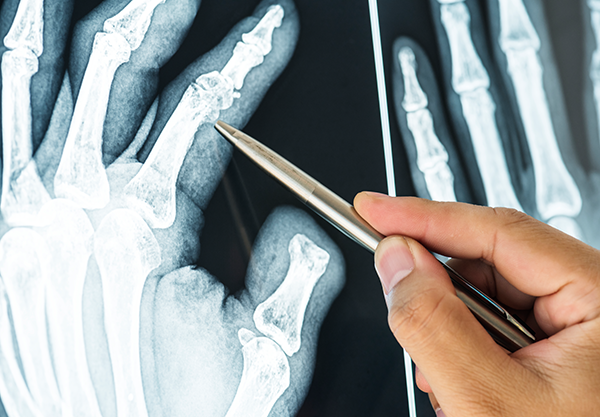
- Primary diagnosis: Examination, checking of innervation and blood circulation of the limb, x-ray.
- Manipulation (if necessary): Management of the fracture and application of a fixing bandage.
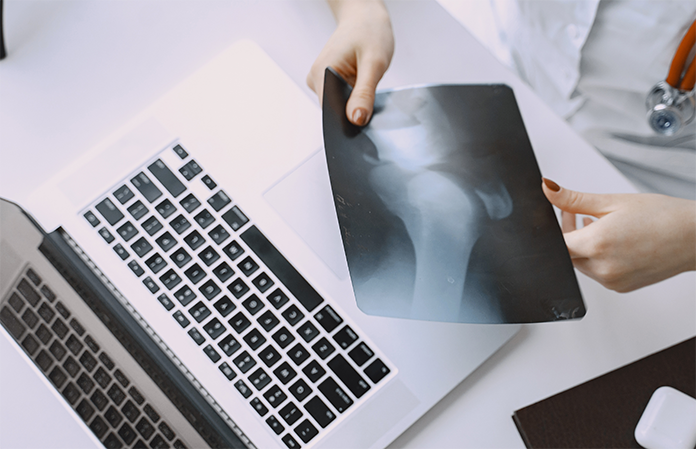
- Control monitoring: Mandatory x-rays after 7, 14 and 21 days to rule out secondary displacement.
- Gradual activation: Replacing rigid fixation with a lighter one and starting physical therapy.