
A joint dislocation is an acute injury that is accompanied by severe pain and visible deformity. It would seem that it is impossible to ignore such a state. However, in orthopedic practice, doctors regularly encounter so-called “old dislocations”.
In medicine, a dislocation is considered outdated if more than 3 weeks have passed since the injury. Why do patients lose this time? Some hope that “it will pass”, some turn to dubious chiropractors, and some are simply afraid to go to the hospital. However, in orthopedics, time is not just money, it is the preserved function of your limb.
What happens inside the joint when you lose time?
When the articular surfaces lose congruence (normal anatomical alignment), a cascade of pathological changes is triggered in the body:
- Scarring and fibrosis of tissues.
The body tries to “patch” the damaged joint capsule. The cavity where the head of the bone used to be is quickly filled with dense scar tissue. After 3-4 weeks, it becomes physically impossible to perform such a dislocation in a closed way (without an incision) – there is simply no room left for the bone.
- Muscle contraction and atrophy (retraction)
Muscles that no longer perform their normal function due to the displaced position of the bone begin to spasm, and later shorten and lose strength. The longer the bone is outside the joint, the more difficult it will be for the surgeon to return the muscles to their physiological length during surgery.
- Destruction of bone tissue.
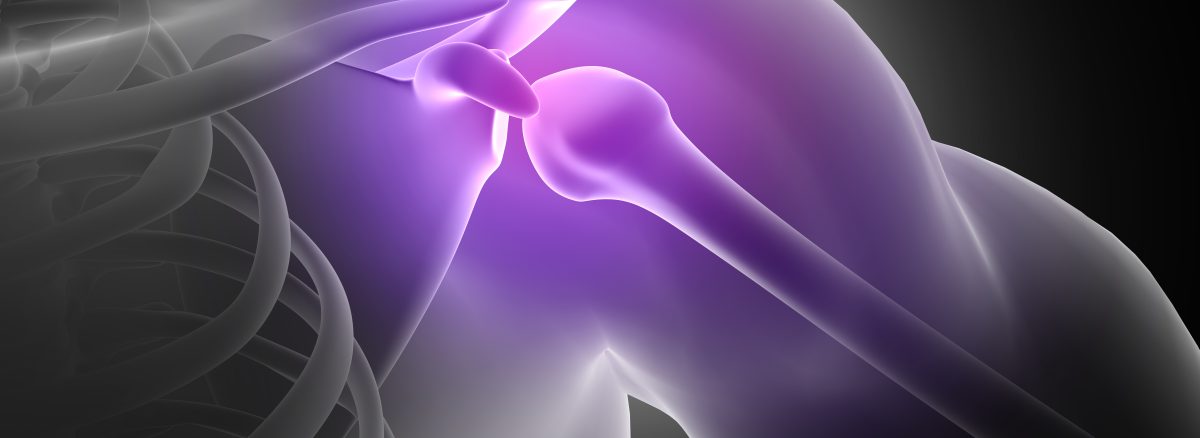
Being in an unnatural position, the head of the bone constantly rubs against the edges of the joint cavity. For example, with chronic dislocations of the shoulder, the so-called Gill-Sachs defect (indentation on the head of the humerus) and Bankart damage (detachment of the articular lip) are often formed. . These defects make the joint extremely unstable in the future
- Pinching of nerves and blood vessels.
Displaced bone can press on vascular and nerve bundles. This leads to constant pain, numbness of the fingers, a feeling of “tingles crawling” and impaired blood circulation, which can cause irreversible changes in the nerve fibers.
How are chronic sprains treated?
The main rule: never try to force an old sprain or with the help of massage therapists. This is a direct path to complex fractures and rupture of main blood vessels.
Treatment of chronic dislocations (especially those lasting more than a month) is exclusively surgical. Depending on the localization and complexity of the problem, the orthopedic surgeon chooses the optimal tactics:
- Open adjustment
The surgeon removes the scar tissue, frees the joint cavity and returns the bone to its place, fixing the ligaments.
- Bone-plastic operations (for example, Latarje operation)
If the bone tissue has already undergone significant destruction (a large defect has formed), the doctor uses the patient’s own bone block to create an additional stop. This reliably stabilizes the joint and prevents repeated dislocations

YOUR STEP TO HEALTH
If you are injured, don’t wait. Timely contact to a specialist allows you to solve the problem quickly, with minimal intervention and a hundred percent chance of full recovery.
DON’T LET PAIN LIMIT YOUR LIFE. SIGN UP FOR A CONSULTATION WITH AN ORTHOPEDIST-TRAUMALOGIST IN ODESSA AND LEARN ABOUT THE REAL STATE OF YOUR JOINTS TODAY!